
This conversation with Prof. Suphi Taneri, MD is part of a broader series exploring innovation in corneal transplantation. Corneal transplantation is evolving rapidly. From refined surgical techniques to ready-to-use solutions, innovation is reshaping outcomes for patients worldwide. To explore these changes, we spoke with Prof. Taneri, MD, a leading ophthalmologist in Germany, about the most significant advances and what the future may hold for surgeons, patients, and global eye care.
In future posts, we’ll share perspectives from other experts across research, clinical practice, and product development—together building a fuller picture of how breakthroughs are transforming patient care and global access to sight-restoring treatments.
Shifting Indications and Surgical Advances
According to Prof. Taneri, widespread use of corneal cross-linking (CXL) has transformed keratoplasty indications. Progressive keratoconus, once a leading cause of corneal transplant, is now far less common. Instead, endothelial disease (such as FECD and PBK) has become the dominant indication, driving innovation in endothelial-focused procedures.
Techniques like DMEK (and DSAEK where appropriate) are now standard for isolated endothelial failure, offering faster visual recovery, lower rejection rates, and smaller surgical footprints compared to traditional penetrating keratoplasty (PK). Eye banks have also played a key role by providing pre-processed, pre-loaded grafts, improving reproducibility, and reducing surgical time.

Technological Advancements
Some of the technology advancements that are improving every stage of transplantation, according to Dr. Taneri, are:
- Precision Planning: Tools like AS-OCT, Scheimpflug, and intraoperative OCT guide ultra-thin dissections and optimize host-graft interfaces.
- Improved Tissue Processing: Eye-bank microkeratome/femtosecond workflows and AI-assisted analytics yield more predictable grafts.
- Smarter Insertion Mechanics: Low-shear injectors and pre-loaded DMEK kits help preserve endothelial cells.
- Adjunctive Therapies: ROCK inhibitors, viscoadaptive agents, and new drug delivery systems enhance cell survival.
- Global Learning: Tele-mentoring and registry databases accelerate knowledge-sharing and ensure safer adoption of new techniques.
Ready-to-Use Tissue: Raising the Bar for Outcomes
Prof. Taneri highlighted the transformative role of sterile, shelf-stable, ready-to-use tissues:
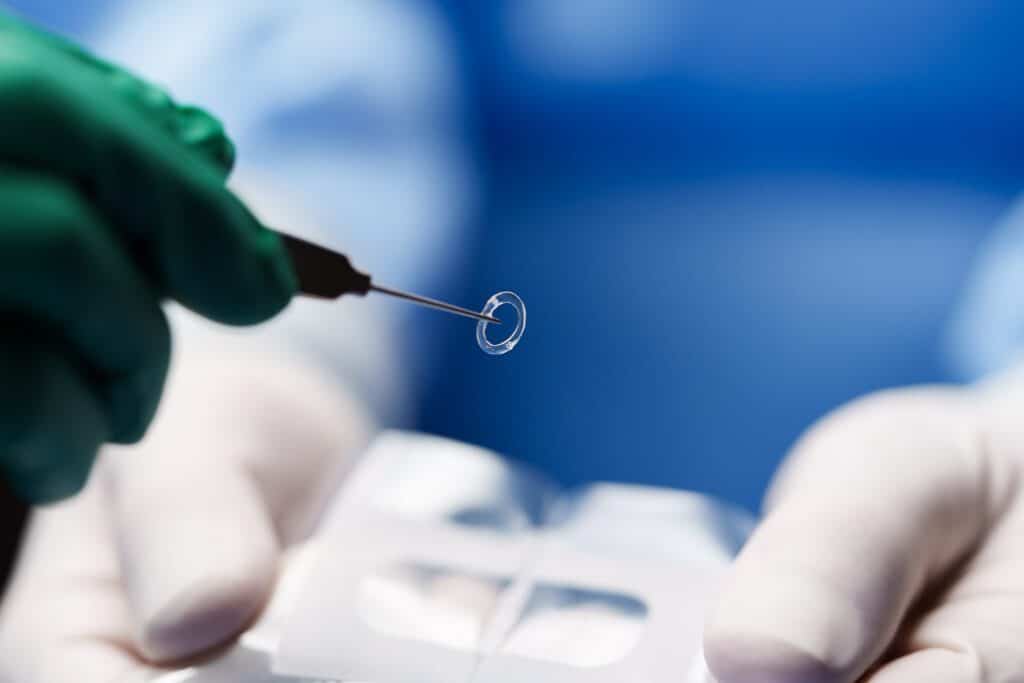
- Consistency at Scale: Standardization reduces variability and raises the floor for outcomes across diverse practice settings.
- Efficiency in the OR: Fewer variables and shorter setup times in the OR translate to safer anesthesia windows and surgical throughput.
- Greater Access: Longer shelf life expands treatment options in regions with limited infrastructure.
Innovations in Recovery and Patient Outcomes
Innovations in corneal transplantation are increasingly focused on improving recovery and patient outcomes by reducing complications and shortening healing time.
- Advances such as lamellar and endothelial-only surgeries (DMEK, CAIRS) allow for smaller wounds and faster rehabilitation.
- Optimized positioning and tamponade techniques help lower the risk of graft detachment or pressure spikes.
- Pharmacologic breakthroughs, including ROCK inhibitors and safer, more tailored steroid regimens, further support long-term success.
- Suture-free techniques minimize astigmatism and speed up recovery compared to traditional PK.
- Lastly, enhanced ocular surface care—ranging from lid margin therapy to infection control and amniotic membrane approaches—provides stronger protection for high-risk patients.
A Paradigm Shift in Corneal Care
Between DMEK, synthetic endothelial implants, and injectable endothelial-cell therapies, the field is moving toward smaller, smarter, and often sutureless solutions. Prof. Taneri predicts that the next five years will be about “matching the right technology to the right cornea—and ensuring these advances are reliable, scalable, and equitably available.”
Looking Ahead
Some of the innovations that show promise for the future of corneal transplantation fall into three main areas, according to Dr. Taneri.
- First, new devices and biomaterials such as synthetic endothelial patches, advanced scaffolds, and smart adhesives. These are designed to improve healing and reduce reliance on donor tissue.
- Second, cell-based therapies are emerging, where cultured endothelial cells could restore vision without traditional grafts.
- And finally, data-driven care is advancing through predictive models that use imaging, genetics, and biomechanics to help personalize treatment decisions.
Together, these approaches point to a more precise and accessible future for corneal surgery.
Your Perspective
As these developments move closer to clinical practice, insights from surgeons and eye bankers will be vital. Which of these innovations do you see having the greatest impact in your work?
About Prof. Suphi Taneri, MD

Prof. Suphi Taneri, MD, is the Director of the Center for Refractive Surgery Muenster, Germany, and one of the owners of the Eye Department at the St. Francis Hospital, Muenster, Germany. Dr. Taneri also serves as a lecturer and scientific co-worker of H Burkhard Dick, MD, at the Ruhr University, Bochum, Germany.
About Vision Share

Vision Share is a 501(c)(3) nonprofit organization and proudly represents the world’s largest network of eye banks. Each member eye bank is Eye Bank Association of America (EBAA) certified and registered with the Food and Drug Administration (FDA). Guided by a shared vision, Vision Share pools resources to provide surgeons with dependable, high-quality ocular tissue tailored to their specific needs. The Vision Share network has delivered over 141,000 corneas worldwide, transforming lives and restoring sight.
